R. M. Levi
Based on lessons by Rebbetzin M. Levi (daughter of Rav Shimshon Dovid Pincus)
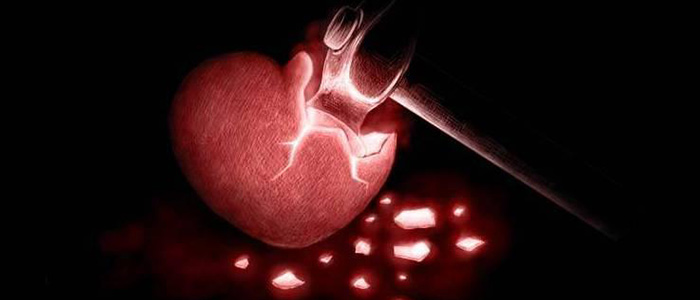
Shabbat is the heart. A wounded heart is a tragedy.
The heart must be protected. This means observing the laws of Shabbat with great care. Usually, when Shabbat begins, we shift our mindset and stop acting automatically.
Jews who have returned to Judaism note that the hardest thing for them is to refrain on Shabbat from actions they perform all the time—for example, turning off the light when leaving a room.
On Shabbat, we constantly check ourselves. Nothing is routine, done unthinkingly out of habit. Everything is out of the ordinary.
Father used to tell the well-known story of Bostanai, recorded in the book Seder HaDorot. Bostanai was the only surviving descendant of King David after his entire family had been killed. He was miraculously saved, and thanks to this, David’s line continued. With G-d’s help, we will merit seeing Mashiach—a descendant of Bostanai, a descendant of King David.
The symbol of Bostanai’s family was a mosquito. Why?
As a young man, Bostanai met with the Persian king. During their meeting, a mosquito flew into the room and settled on Bostanai’s forehead. The natural human reaction in such a situation is to raise a hand and shoo the mosquito away. Bostanai stood without moving. The mosquito continued drinking his blood.
The king could bear it no longer: “Why don’t you shoo the mosquito away?” Bostanai answered him: “I received a tradition from my father that in the presence of the king, no movement is permitted without his consent.” The king was very pleased by this and ordered that a mosquito become the symbol of Bostanai’s family. It is not entirely clear what the mosquito had done to deserve such an honor, but that is not what matters to us now.
Father would repeat: “In the presence of the king, no movement is permitted without his consent.”
On Shabbat, we cannot make any move without the Almighty’s consent, because we are in His presence! There are movements we make automatically on other days. On Shabbat, we constantly remind ourselves that some movements are permitted and others are forbidden. Rabbi Jonathan Eybeschutz said that we must study the laws of Shabbat so as not to violate them, because by violating them, we strike at the heart of Judaism.