Rebbetzin Chava Kuperman
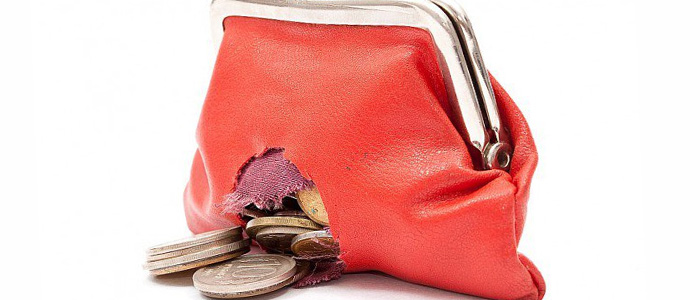
Despite the Persian government's ban, Haggai urges the Jews to continue building the Temple (whose foundation has already been laid). Speaking in the name of the Almighty, the prophet says (chapter 1, verses 4-6): “Is it time for you yourselves to live in your roofed houses, while this House (the Temple) lies in ruins? ...set your hearts on your ways. You sow much, but gather little. You eat, but are not satisfied; you drink, but do not drink your fill; you clothe yourselves, but no one is warm; and the wage earner earns wages for a purse with holes”.
In essence, through Haggai, G-d tells the people that their desperate condition—both material and moral—is the result of their having stopped building the Temple.
The ban on continuing construction did indeed place the Jewish people in a state of profound psychological distress. The Jews felt that the Temple would never be built. Haggai calls on them to gather timber and continue the work, saying that the L-rd will show the people favor and help them.
Yes, the Second Temple will be temporary and seem somehow not quite real. Yes, there will be no prophecy in it, no Ark of the Covenant in the Holy of Holies, and the Urim and Thummim on the High Priest's breastplate will not light up, meaning that it will not be possible to receive the Almighty's answers to questions posed. Nor will the Shechinah be present. And the altar will not have the heavenly fire that was present in the First Temple (that is, there will be fire, but no longer in the form of a lion, as it was before, but in the form of a dog, which will, of course, diminish the Jews' regard for the Temple).
The Jews know this, and it does nothing to increase their enthusiasm. After all, it seems all the more regrettable to put so much effort into an “empty House”!
Why defy the Persians and take risks if it will amount to “nothing”?! People who had lived during the time of the First Temple and visited it before its destruction were horrified at the sight of the Second Temple, feeling that it was utterly “not the same.”
Haggai (chapter 2, verse 3 and onward) says: “Who remains among you who saw this House in its former glory? And how do you see it now? Surely it is as nothing in your eyes!”
There is an opinion that if the people, knowing all this, had strengthened their faith and built the Second Temple very quickly and diligently, this Temple would have become the final Temple. In other words, Mashiach would have come, and the end of days would have arrived. Haggai, conveying G-d's words in his prophecy, sought to hasten the coming of Mashiach by urging the Jews to build. But, alas, this did not happen.
Haggai's father was not a prophet, and his name is unknown. However, the leaders of that period are known. The High Priest was Joshua son of Jehozadak. And the governor who ruled Judea on behalf of the Persian king was a descendant of King David: Zerubbabel son of Shealtiel.
In chapter 2, beginning with verse 10 and onward, the laws of holiness are presented, and the date “the twenty-fourth day of the ninth month” is mentioned twice. This is the day before Hanukkah, whose events were still in the future at that time. On Hanukkah, questions of holiness become especially pressing. The possibility of serving in the Temple depends on “what remains holy, and what will become impure?”
The prophet says that on the twenty-fourth day of the ninth month, something momentous may happen, something that will go down in history and bring about significant political changes.
Indeed, this is exactly what will happen: when the Jews rise up against the Greeks, they will thereby overturn the political situation.
In verses 21, 22, and 23 of chapter 2, the prophet speaks in G-d's name: “Say to Zerubbabel, governor of Judah, as follows: I will shake heaven and earth, and overturn the throne of kingdoms, and destroy the strength of the kingdoms of the nations, and overturn chariots and their riders; the horses and their riders will be cast down—each by his brother's sword (among the foreign nations, people will begin killing one another). On that day… I will take you, Zerubbabel, ...as My servant—says the L-rd—and I will make you (I will safeguard you) like a signet, for I have chosen you—says the L-rd of Hosts.”
The quoted lines speak of the Jews' chosen status and of the Almighty being their protector. The prophecy about horses and chariots contains a certain symbolism. But since these images also recur several times in the prophet Zechariah's words, we will discuss them later.
to be continued