Rebbetzin Leah Gans
How much we can learn from the Torah if we read it as an example, a lesson, a guide to action. Our Sages call this approach “The deeds of the fathers are a sign for the sons.” Of course, we do not always fully understand the meaning of the patriarchs’ actions simply by reading the Torah’s text; we need to read the Sages’ commentaries to understand the “deeds of the fathers,” their reasons and significance.
When the Ponevezher Rav was preparing for an important, decisive conversation, he would read the Torah portion Vayishlach to develop a strategy for the dialogue in keeping with the conduct of our forefather Yaakov. Whenever he did not manage to study this portion, the conversation went badly, and the matter was not resolved in the Rav’s favor. We will draw several pieces of advice from Yaakov for ourselves and for raising our children.
Lesson One. Prayer
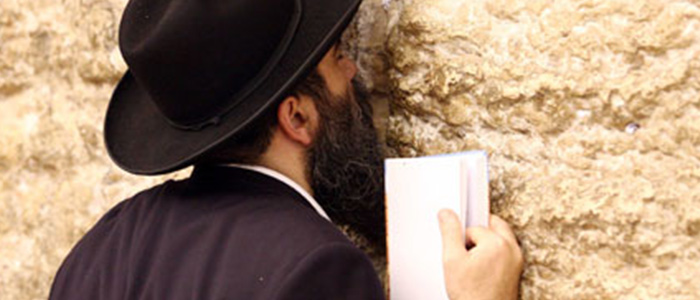
Yaakov prepares to meet his brother Esav in three ways: he sends a gift, makes preparations in case of war, and prays. Interestingly, when we face an important conversation, we often follow Yaakov’s example in everything except prayer. As a rule, we either try to appease our opponent or expect hostilities—and completely forget about prayer.
Any problems we have—with our children, their upbringing or education, a conflict with our husband, difficulties at work—require certain actions and efforts from us (hishtadlut), such as enlisting the help of professionals in the relevant field.
But even before that, there is a means that always helps and requires no financial outlay.
We invest time and money to obtain the very best professional help with our problem. And we put so much energy into it! Sometimes it helps; sometimes it does not. But we have a much more powerful weapon at our disposal, the best one possible: prayer to the Almighty, the Creator of the world. Sometimes we are so busy with hishtadlut, so caught up in running around and so confused, that we forget about prayer.
Sometimes, before going to sleep, I share my problems with my husband when I cannot find a solution myself: I have done this and that; what else can I do? And he replies: “And did you add a few words of prayer?”
In previous lessons, we learned about asking for forgiveness and accepting apologies. But here, too, we can say that we should begin with prayer. Before starting a conversation about apologies, pray.
And, in general, turn to the Almighty before any serious conversation.
If the feeling of ease and comfort has disappeared from the home, if everything suddenly becomes difficult and “grinds along,” the first thing to do is turn to the Master of the Universe.
Prayer is “service of the heart,” but as a preventive measure it is still easier than other means, which will require money, time, and effort from us. Although prayer will not exempt us from the other efforts that will be needed, once we have secured the Almighty’s support, everything else will go more easily.
To be continuedPrepared by: Mrs. Zissi Skarzhinskaya