Rebbetzin Leah Gans
Lesson Three
Joy Takes Work
It is impossible to spontaneously unite, to join two opposites. This requires work, painstaking effort. Our sages say that the joining must take place be-da'at, that is, consciously and thoughtfully. If joy comes without effort, out of nowhere, it is most likely a lack of restraint rather than joy. Without proper preparation, true joy does not emerge.
How, then, can we attain conscious joy?
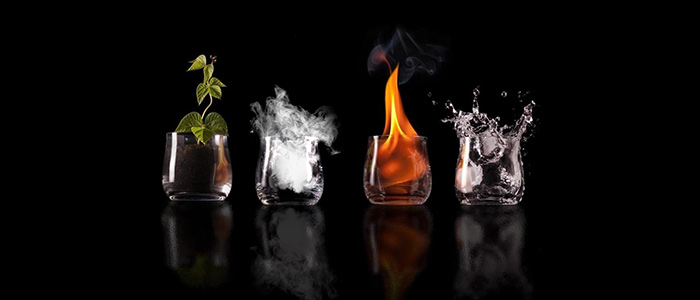
Rav Chaim Vital says that the entire world is made from four foundations (elements): fire, water, earth, and air.
Earth is the heaviest and coarsest of them all. How does earth manifest itself in human nature? Through despondency, laziness, and despair. We can observe this ourselves: a person whose dominant element is earth will be "heavy," sad, and prone to sinking into depression. It is hard for them to get up, wake up in the morning, or begin a task. And once they begin, they immediately become disappointed, doubt themselves, and despair—giving themselves no chance of success.
The remedy for this is to remain joyful at all times. This involves two things that require constant work and effort. First, there is the joy called lismoach bechelko, meaning to rejoice in one's lot. Second, there is lismoach bemitzvah, rejoicing in performing mitzvot.
Prepared by Zissi Skarzhinskaya
to be continued