Rabbi Nachum Shatkhin
“Do not oppress any widow or orphan. If you oppress any of them, then when he cries out to Me, I will hear his cry. My anger will blaze, and I will kill you with the sword, and your wives will be widows and your children orphans” (Exodus, 22:21-23)
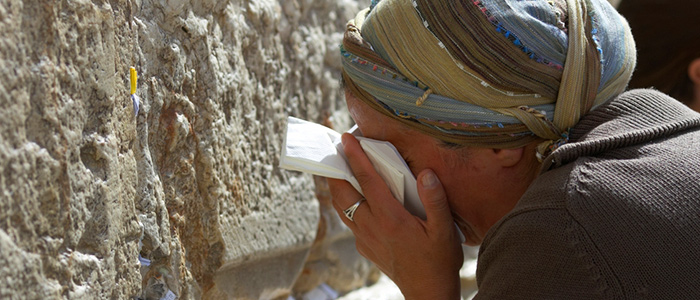
These verses are explained by Rabbi Yitzchak Blazer (an eminent disciple of Rabbi Yisrael Salanter, one of the founders of the Mussar movement). When someone hurts a woman, she turns to her husband for protection and comfort. When a child is hurt, he goes to his father for help. A widow and an orphan have no one to turn to for help. The Almighty is the only One to whom they can pour out their souls. When someone places all their hopes in the Almighty alone, their prayers do not go unanswered.
Rabbi Raphael Soloveitchik related that, after fleeing Poland to escape the Nazis, following his father (Rabbi Yitzchak Zev Soloveitchik—the Brisker Rav), they stayed as refugees with a Jewish family in Vilna. A widow and her children lived there with them. Everyone was very cramped. To reach their room, they had to pass through the room where the widow and her children were staying, and she constantly complained that they were disturbing her. One day, Rabbi Raphael could bear it no longer and told her that this was not a hotel and that everyone there was in difficult circumstances. When he returned to his room and told his father everything, the Brisker Rav began shouting in fear: “What have you done, Reb Raphael! She is a widow! What will become of us now!?” He shouted so loudly that the walls shook, and Rabbi Raphael related that afterward, for the rest of his life, he trembled at the mere word “widow.”
A well-known story is related in the name of the Chafetz Chaim about a wealthy Jew who lived in the town of Radin and earned his living by renting out apartments. One of his tenants, a widow with children, had not paid rent for several months. Warnings followed, after which the landlord drove the family out onto the street on a cold, rainy day. The Chafetz Chaim related that more than twenty years passed before the Almighty’s attribute of “measure for measure” caught up with that scoundrel. He was bitten by a rabid dog and died in terrible agony. At that time, people did not know how to treat this disease, and everyone was afraid to approach him to offer help for fear of becoming infected themselves.