Basya Tsybukmakher
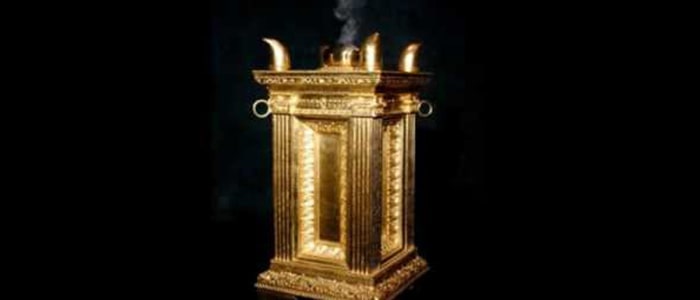
פטום הקטורת
Pitum HaKetoret—the preparation and burning of incense
A segulah for stopping an epidemic is reciting the passage “Pitum HaKetoret” (“compounding the incense”). The Torah itself speaks of the great power of this incense. There is a general principle that reciting passages of the Written and Oral Torah that describe a particular mitzvah carries some of the same power as the mitzvah itself.
The holy book the Zohar also speaks of the special power of reciting these passages, stating that during a plague it is good to recite the passage about preparing the incense mixture. This passage is recited in the morning prayer service, Shacharit, and the afternoon prayer service, Minchah.
(of course, it is more important to recite all of this in the original, after first gaining an understanding of its meaning)| English | Hebrew | English transliteration |
|---|---|---|
You are the L-rd our G-d, before whom our ancestors offered fragrant incense while the Temple stood, as You commanded us through Moses Your prophet, as it is said in Your Torah (Exodus 30:34–36, 7–8): |
אַתָּה הוּא יְיָ אֱלֹקֵינוּ וֵאלֹקֵי אֲבוֹתֵינוּ, שֶׁהִקְטִירוּ אֲבוֹתֵינוּ לְפָנֶיךָ אֶת קְטֹרֶת הַסַּמִּים, בִּזְמַן שֶׁבֵּית הַמִּקְדָּשׁ היה קַיָּם, כַּאֲשֶׁר צִוִּיתָ אוֹתָם עַל יַד משֶׁה נְבִיאֶךָ, כַּכָּתוּב בְּתוֹרָתֶךָ: | Attah hu Adonai Elokeinu ve-Elokei avoteinu, shehiktiru avoteinu lefanekha et ketoret hassammim, bizman shebeit hammikdash hayah kayyam, ka'asher tzivvita otam al yad Moshe nevi'ekha, kakkatuv betoratekha: |
| English | Hebrew | English transliteration |
|---|---|---|
The L-rd said to Moses: “Take spices: fragrant resin, onycha, galbanum and pure frankincense, in equal proportions. Make them into incense, a mixture prepared by a perfumer, blended in purity and holiness. Grind some of it finely and place some before the Ark of the Covenant in the Tent of Meeting, where I shall appear to you. It shall be most holy for you.” |
וַיֹּאמֶר יְהוָה אֶל מֹשֶׁה קַח לְךָ סַמִּים נָטָף וּשְׁחֵלֶת וְחֶלְבְּנָה סַמִּים וּלְבֹנָה זַכָּה בַּד בְּבַד יִהְיֶה. וְעָשִׂיתָ אֹתָהּ קְטֹרֶת רֹקַח מַעֲשֵׂה רוֹקֵחַ מְמֻלָּח טָהוֹר קֹדֶשׁ. לו וְשָׁחַקְתָּ מִמֶּנָּה הָדֵק וְנָתַתָּה מִמֶּנָּה לִפְנֵי הָעֵדֻת בְּאֹהֶל מוֹעֵד אֲשֶׁר אִוָּעֵד לְךָ שָׁמָּה קֹדֶשׁ קָדָשִׁים תִּהְיֶה לָכֶם. (שמות ל, לד-לו): וְנֶאֱמַר, וְהִקְטִיר עָלָיו אַהֲרֹן קְטֹרֶת סַמִּים בַּבֹּקֶר בַּבֹּקֶר בְּהֵיטִיבוֹ אֶת הַנֵּרֹת יַקְטִירֶנָּה. וּבְהַעֲלֹת אַהֲרֹן אֶת הַנֵּרֹת בֵּין הָעַרְבַּיִם יַקְטִירֶנָּה קְטֹרֶת תָּמִיד לִפְנֵי יְהוָה לְדֹרֹתֵיכֶם. (שמות ל, ז-ח) | Vayyomer Adonai el Moshe: kakh lekha sammim, nataf ushekhelet vekhelbenah, sammim ulevonah zakkah, bad bevad yihyeh. Ve'asita otah ketoret, rokakh ma'aseh roke'akh, memullakh, tahor, kodesh. 36. Veshakhakta mimennah hadek, venatattah mimennah lifnei ha'edut be'ohel mo'ed, asher ivva'ed lekha shammah, kodesh kodashim tihyeh lakhem. (Exodus 30:34–36) Vene'emar: vehiktir alav Aharon ketoret sammim, babboker babboker, beheitivo et hannerot yaktirennah. Uveha'alot Aharon et hannerot bein ha'arbayim yaktirennah, ketoret tamid lifnei Adonai ledoroteikhem. (Exodus 30:7–8) |
| English | Hebrew | English transliteration |
|---|---|---|
Our Sages taught: How is the incense mixture prepared? Its weight was 368 maneh: 365 maneh corresponding to the days of the solar year, one maneh daily, half in the morning and half toward evening; and three remaining maneh, from which the high priest took a full handful into the Holy of Holies on Yom Kippur. He returned these to the mortar on the eve of Yom Kippur and ground them thoroughly into the finest powder. |
תָּנוּ רַבָּנָן, פִּטּוּם הַקְּטֹרֶת כֵּיצַד: שְׁלשׁ מֵאוֹת וְשִׁשִּׁים וּשְׁמוֹנָה מָנִים הָיוּ בָהּ. שְׁלשׁ מֵאוֹת וְשִׁשִּׁים וַחֲמִשָּׁה כְּמִנְיַן יְמוֹת הַחַמָּה, מָנֶה לְכָל יוֹם, פְּרַס בְּשַׁחֲרִית, וּפְרַס בֵּין הָעַרְבָּיִם, וּשְׁלשָׁה מָנִים יְתֵרִים, שֶׁמֵּהֶם מַכְנִיס כֹּהֵן גָּדוֹל מְלֹא חָפְנָיו בְּיוֹם הַכִּפּוּרִים, וּמַחֲזִירָן לְמַכְתֶּשֶׁת בְּעֶרֶב יוֹם הַכִּפּוּרִים, וְשׁוֹחֲקָן יָפָה יָפָה כְּדֵי שֶׁתְּהֵא דַקָּה מִן הַדַּקָּה. וְאַחַד עָשָׂר סַמְּמָנִין הָיוּ בָהּ. וְאֵלּוּ הֵן: א הַצֳּרִי ב וְהַצִּפֹּרֶן ג הַחֶלְבְּנָה ד וְהַלְּבוֹנָה מִשְׁקַל שִׁבְעִים שִׁבְעִים מָנֶה, ה מוֹר ו וּקְצִיעָה ז שִׁבֹּלֶת נֵרְדְּ ח וְכַרְכֹּם מִשְׁקַל שִׁשָּׁה עָשָׂר שִׁשָּׁה עָשָׂר מָנֶה, ט הַקֹּשְׁטְ שְׁנֵים עָשָׂר, י קִלּוּפָה שְׁלשָׁה, יא קִנָּמוֹן תִּשְׁעָה. בֹּרִית כַּרְשִׁינָה תִּשְׁעָה קַבִּין, יֵין קַפְרִיסִין סְאִין תְּלָתָא וְקַבִּין תְּלָתָא, וְאִם אֵין לוֹ יֵין קַפְרִיסִין מֵבִיא חֲמַר חִוַּרְיָן עַתִּיק. מֶלַח סְדוֹמִית רוֹבַע, מַעֲלֶה עָשָׁן, כָּל שֶׁהוּא. רַבִּי נָתָן הַבַּבְלִי אוֹמֵר: אַף כִּפַּת הַיַּרְדֵּן כָּל שֶׁהִיא, וְאִם נָתַן בָּהּ דְּבַשׁ פְּסָלָהּ, וְאִם חִסַּר אֶחָד מִכָּל סַמְּמָנֶיהָ חַיָּב מִיתָה: | Tanu rabbanan, pittum hakketoret keitzad: shelosh me'ot veshishshim ushemonah manim hayu vah. Shelosh me'ot veshishshim vakhamishshah keminyan yemot hakhammah, maneh lekhol yom, peras beshakharit, uferas bein ha'arbayim, usheloshah manim yeterim, shemehem makhnis kohen gadol melo khofnav beyom hakkippurim, umakhaziran lemakhteshet be'erev yom hakkippurim, veshokhakan yafah yafah kedei shetehei dakkah min haddakkah. Ve'akhad asar sammemanin hayu vah. Ve'ellu hen: 1. Hatzori; 2. vehatzipporen; 3. hakhelbenah; 4. vehallevonah, mishkal shiv'im shiv'im maneh. 5. Mor; 6. uketzi'ah; 7. shibbolet nerd; 8. vekharkom, mishkal shishshah asar shishshah asar maneh. 9. Hakkosht, sheneim asar; 10. killufah, sheloshah; 11. kinnamon, tish'ah. Borit karshinah tish'ah kabbin, yein kafrisin se'in telata vekabbin telata, ve'im ein lo yein kafrisin, mevi khamar khivvaryan attik. Melakh sedomit rova, ma'aleh ashan kol shehu. Rabbi Natan habbavli omer: af kippat hayyarden kol shehi, ve'im natan bah devash pesalah, ve'im khissar ekhad mikkol sammemaneha khayyav mitah. |
| English | Hebrew | English transliteration |
|---|---|---|
Rabban Shimon son of Gamliel says: The fragrant resin is simply resin dripping from the balsam tree. Why is Karsina soap needed? To beautify the onycha, so that it becomes fine. Why is Cyprus wine needed? The onycha is soaked in it to strengthen it. Water from the spring of Raglayim would also have been suitable, but it was not brought into the sanctuary out of propriety. |
רַבָּן שִׁמְעוֹן בֶּן גַּמְלִיאֵל אוֹמֵר: הַצֳּרִי אֵינוֹ אֶלָּא שְׂרָף הַנּוֹטֵף מֵעֲצֵי הַקְּטָף. בֹּרִית כַּרְשִׁינָה שֶׁשָׁפִין בָּהּ אֶת הַצִּפֹּרֶן, כְּדֵי שֶׁתְּהֵא נָאָה; יֵין קַפְרִיסִין שֶׁשּׁוֹרִין בּוֹ אֶת הַצִּפֹּרֶן, כְּדֵי שֶׁתְּהֵא עַזָּה, וַהֲלֹא מֵי רַגְלַיִם יָפִין לָהּ, אֶלָּא שֶׁאֵין מַכְנִיסִין מֵי רַגְלַיִם בַּמִּקְדָּשׁ מִפְּנֵי הַכָּבוֹד: | Rabban Shim'on ben Gamliel omer: hatzori eino ella seraf hannotef me'atzei hakketaf. Borit karshinah sheshafin bah et hatzipporen, kedei shetehei na'ah; yein kafrisin sheshorin bo et hatzipporen, kedei shetehei azzah, vahalo mei raglayim yafin lah, ella she'ein makhnisin mei raglayim bammikdash mipenei hakkavod. |
| English | Hebrew | English transliteration |
|---|---|---|
Rabbi Natan says: While grinding the fragrant ingredients, one says: “Grind well, grind well!” because the sound of the voice improves the incense. If half the quantity is prepared, the mixture is valid. As for one third or one quarter of the quantity, we do not know. Rabbi Yehudah said: This is the general rule—if the proportions are preserved, even half the quantity is valid. Omitting one of the ingredients incurs death at the hands of Heaven. |
תַּנְיָא רַבִּי נָתָן אוֹמֵר: כְּשֶׁהוּא שׁוֹחֵק אוֹמֵר: הָדֵק הֵיטֵב, הֵיטֵב הָדֵק, מִפְּנֵי שֶׁהַקּוֹל יָפֶה לַבְּשָׂמִים. פִּטְּמָהּ לַחֲצָאִין כְּשֵׁרָה, לִשְׁלִישׁ וְלִרְבִיעַ, לֹא שָׁמַעְנוּ. אָמַר רַבִּי יְהוּדָה זֶה הַכְּלָל, אִם כְּמִדָּתָהּ כְּשֵׁרָה לַחֲצָאִין. וְאִם חִסַּר אֶחָד מִכָּל סַמְּמָנֶיהָ חַיָּב מִיתָה: | Tanya, Rabbi Natan omer: keshehu shokhek omer: hadek heitev, heitev hadek, mipenei shehakkol yafeh labbesamim. Pittemah lakhatzain kesherah, lishlish velirvi'a lo shamanu. Amar Rabbi Yehudah: zeh hakkelal, im kemiddatah kesherah lakhatzain. Ve'im khissar ekhad mikkol sammemaneha khayyav mitah. |
| English | Hebrew | English transliteration |
|---|---|---|
Bar Kappara says: Once every sixty or seventy years, the leftovers amounted to half the full quantity required. Bar Kappara also taught: If a little honey were added to the mixture, no person could withstand its fragrance. Why, then, is honey not added? Because the Torah says: “Do not burn any leaven or any honey as a fire-offering to the L-rd.” |
תַּנְיָא בַּר קַפָּרָא אוֹמֵר. אַחַת לְשִׁשִּׁים אוֹ לְשִׁבְעִים שָׁנָה הָיְתָה בָאָה שֶׁל שִׁירַיִם לַחֲצָאִין. וְעוֹד תָּנֵי בַר קַפָּרָא, אִלּוּ הָיָה נוֹתֵן בָּהּ קוֹרְטוֹב שֶׁל דְּבַשׁ, אֵין אָדָם יָכוֹל לַעֲמוֹד מִפְּנֵי רֵיחָהּ, וְלָמָה אֵין מְעָרְבִין בָּהּ דְּבַשׁ, מִפְּנֵי שֶׁהַתּוֹרָה אָמְרָה, "כִּי כָל שְׂאֹר וְכָל דְּבַשׁ לֹא תַקְטִירוּ מִמֶּנּוּ אִשֶּׁה לַיָי" | Tanya, Bar Kappara omer: akhat leshishshim o leshiv'im shanah hayetah va'ah shel shirayim lakhatzain. Ve'od tanei Bar Kappara: illu hayah noten bah kortov shel devash, ein adam yakhol la'amod mipenei reikhah. Velamah ein me'arvin bah devash? Mipenei shehattorah amerah: ki khol se'or vekhol devash lo taktiru mimmennu ishseh l'Adonai. |
| English | Hebrew | English transliteration |
|---|---|---|
Three times: The L-rd of hosts is with us; the G-d of Jacob is our stronghold. | שלוש פעמים: יְהוָה צְבָאוֹת עִמָּנוּ מִשְׂגָּב לָנוּ אֱלֹהֵי יַעֲקֹב סֶלָה. (תהלים מו, ח) שלוש פעמים: יְהוָה צְבָאוֹת אַשְׁרֵי אָדָם בֹּטֵחַ בָּךְ. (תהלים פד, יג) שלוש פעמים: יְהוָה הוֹשִׁיעָה הַמֶּלֶךְ יַעֲנֵנוּ בְיוֹם קָרְאֵנוּ. (תהלים כ, י) פעם אחת: וְעָרְבָה לַיהוָה מִנְחַת יְהוּדָה וִירוּשָׁלִָם כִּימֵי עוֹלָם וּכְשָׁנִים קַדְמֹנִיּוֹת. (מלאכי ג, ד) | Three times: Adonai tzeva'ot immanu, misgav lanu Elohei Ya'akov, selah. (Psalms 46:8) Three times: Adonai tzeva'ot, ashrei adam bote'akh bakh. (Psalms 84:13) Three times: Adonai hoshi'ah, hammelekh ya'anenu veyom kor'enu. (Psalms 20:10) Once: Ve'arevah l'Adonai minkhat Yehudah vi-Yerushalayim, kimei olam ukheshanim kadmoniyyot. (Malachi 3:4) |