Basya Tsybukmakher
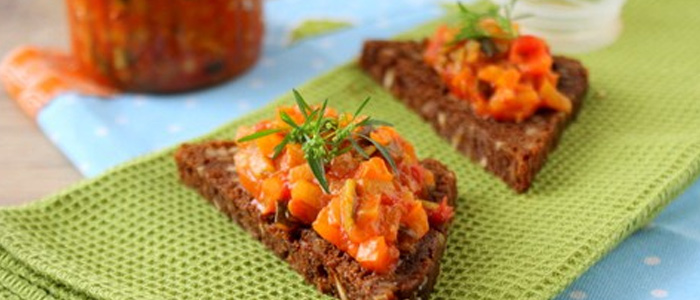
You can never have too much squash caviar. Or too many recipes for it. Right? And culinary nostalgia for childhood is a formidable force, instantly whisking the diner away to heights and distant places known only to them.
So I will share my grandmother’s recipe for squash caviar with you. At the end, she would always glance around, narrow her eyes slyly, and add one simple ingredient that made her dish unique.
So, here is squash caviar “with a little secret.”You will need:
Summer squash (zucchini will do) Onions Tomatoes Sunflower oil (and no other kind) Garlic Salt, pepper
And also... but more about that later.
Preparation
Take the squash. If the skin is tough, peel it; if the seeds are overripe, remove them. Cut the squash into cubes, fry it in sunflower oil in batches until a brown crust forms, and transfer it to a small pot to simmer over low heat. Stir frequently and leave the pot uncovered: the squash will release a lot of juice, which needs to evaporate gradually.
In the same skillet, fry a generous quantity of chopped onion until well browned, then add it to the squash. Next, lightly fry plenty of tomatoes and add them to the pot.
Now mix everything thoroughly, season with salt and pepper, and add a little more sunflower oil. Simmer over low heat, stirring frequently (otherwise it will burn onto the bottom, despite the liquid).
You can wait until the vegetables cook down on their own and turn into caviar. Or you can help them along a little with a potato masher or an immersion blender (be very careful with the latter—just a few momentary dips, so you do not end up with putty). Now add a clove or two of finely chopped garlic—and... a crumbled slice of crustless rye bread— slightly sour, slightly sweet. You can use two slices, depending on your taste. It is the bread that will give the caviar that distinctive character.
Let it simmer for another five minutes, taste it, and carefully adjust the seasoning with salt, pepper, and sunflower oil to taste.
Now you will need some self-control to keep from gobbling up the caviar while it is hot. And even more so when it is warm. Let it cool completely, then refrigerate it for at least an hour. Then, nice and cold, spread it on bread or serve it as a side dish... or eat it by the spoonful, howling with childlike delight, as I do.
Enjoy your meal!