Rebbetzin Chava Kuperman
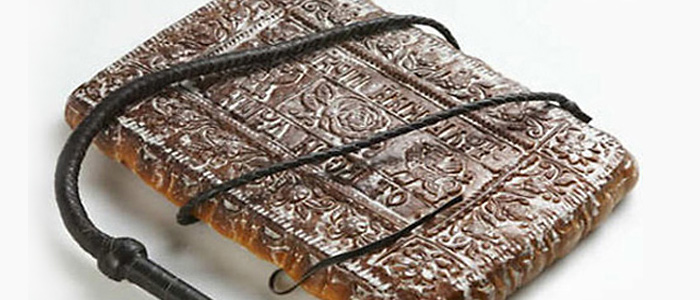
The next point to draw your attention to appears in verse 7 of chapter 11, where the prophet speaks of two staffs: “And I tended the sheep doomed to slaughter… and took for myself two staffs; one I called Noam (peace), and the other I called Chovelim (those who wound)...”
What staffs are being referred to?
Those used in working on a person's character traits. A staff fashioned from compliments, praise, and encouragement is a pleasant staff, a staff of peace. A staff of truth, criticism, and instruction is a staff that wounds: “That's not right; you're doing the wrong thing! You must act differently, repent, mend your ways...”
These two staffs are nothing other than the carrot and the stick.
We think the carrot is not the stick. But Zechariah thinks otherwise: both are sticks. It is hard for a person to bear not only reprimands but also, on some level, praise. Of course, it is preferable not to use the staff that hurts at all, except in extremely rare cases. It is better to use the pleasant staff, but even that should be used sensibly and carefully, without “going too far.”
For the compliments and praise a person receives do more than acknowledge their merits: they also set a high standard for what is expected of them.
Someone who has received praise is, as it were, no longer entitled to do anything even slightly less well. This is especially true of those in creative professions. (Yesterday, after the piano recital, the audience applauded this performer for 15 minutes straight; today, for only 10. Isn't that a reason to feel depressed?!) Rav Wolbe writes about this in his book Alei Shur.
to be continued