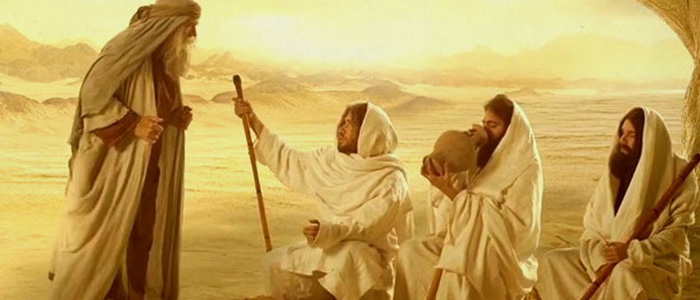
Hospitality is considered a very important mitzvah in Judaism
1. This is connected not only with kindness and mutual assistance. Welcoming guests is compared to welcoming the Shechinah, bringing a measure of Divine light into the home. In this chapter you will learn which rules and traditions must be followed by those who wish to truly fulfill this mitzvah.
2. If you see someone who needs a place to spend the night or rest, you should bring that person home. Treat them as you would wish to be treated in a similar situation.
The Sages said: “The merit of one who welcomes guests is like the merit of one who hurries to the study hall in the morning.” They also said: “Welcoming guests is more important than welcoming the Shechinah.”
It is told that once Rav Chaim of Volozhin did not arrive for prayers at the appointed time. The synagogue attendant (shamash) went to look for him and found Rav Chaim at home at the dining table. Guests were seated at the table. Rav Chaim noticed the surprise on the shamash's face and explained: “The Sages call prayer welcoming the Shechinah, and, as we know, welcoming guests is more important than that.”
3. This law is not limited by time or place. The mitzvah of welcoming guests applies to both men and women, and although the mitzvah rests primarily with the host, children should also be taught to practice it, and their offers to help prepare a place or bring food to guests should be welcomed gladly.
4. The mitzvah consists not only of letting someone in need into one's home, but also of providing lodging, food and drink (as far as one is able), and seeing them off on their journey.
If necessary, the guest should be given an opportunity to bathe and a place to rest, so that they feel at ease and have no worries. But this does not mean that one should refrain from welcoming guests if the host knows in advance that other commitments or illness will prevent them from doing everything listed above.
5. The mitzvah of welcoming guests is fulfilled even when the guest is wealthy and can provide for themselves. All the more so when the guest is poor, since in that case one also fulfills the mitzvah of tzedakah (helping someone in need).