The Prohibition Against Hurting Others and Causing Suffering (ona’at devarim)
1. It is written in the Torah (Leviticus, 25:17): “Do not hurt one another, and fear the Almighty”. This refers to the prohibition against causing pain and emotional suffering through one’s words or actions. Since in this area it is impossible to draw a clear line as to when and what things may hurt another person, one must be doubly careful. Moreover, unlike transgressions involving damage to property and the like, someone who has hurt another person cannot make up for what has been lost—for it is impossible to go back in time and erase the feeling of pain.
Why does it say, “…and fear the Almighty”? This concerns what is in our hearts. We should therefore fear the One Who sees all our thoughts, Who knows whether our intentions toward another person were good or the opposite.
2. This prohibition includes any words, gestures, hints, facial expressions, letters, and the like intended to humiliate, hurt, cause pain, frighten, anger, upset, or evoke unpleasant feelings in another person.
The prohibition against “hurting others” is violated even if a person has done nothing and said nothing—for example, if he shows someone his fist or a weapon with the intent of frightening or humiliating him. However, this is not only a matter of a person’s inability to defend himself and fend off attacks. The main criterion is what the person being threatened feels at that moment.
3. The Sages said that the prayer of someone subjected to pain and suffering is immediately accepted in Heaven.
(That is, the offender may suffer immediately if he has not yet repented.)
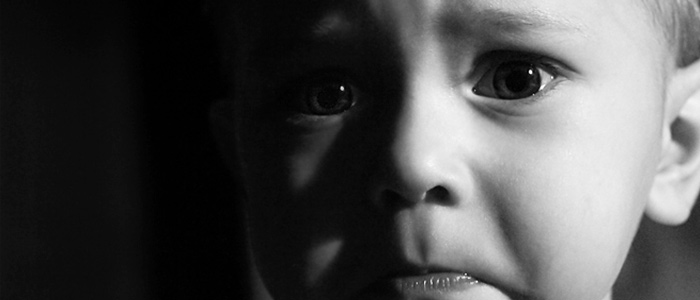
4. This commandment applies at all times and in all places, regardless of gender or age. It is forbidden to cause pain or hurt even a small child. Children should be taught from an early age why certain things should not be said and what may be taken negatively.
****
Once, the Chazon Ish saw a boy pick up an object on Shabbat that is forbidden to move on Shabbat (and even that was not according to all opinions). When the boy’s father noticed, he began scolding him very harshly. The Chazon Ish remarked, “Perhaps the child has violated a rabbinic prohibition, but his father has undoubtedly violated a Torah prohibition.”